
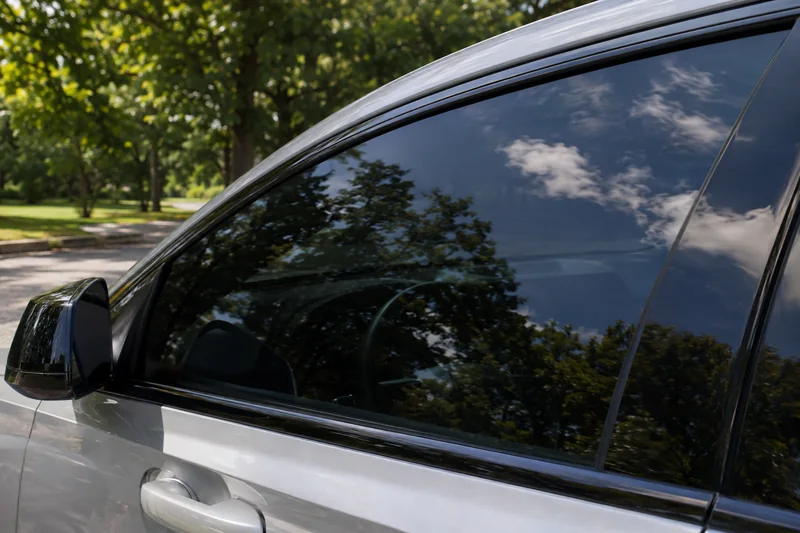

Applying window tint to your vehicle can significantly improve comfort and aesthetics, but a crucial question arises: should the tint be applied to the inside or outside of the car windows? Understanding this seemingly simple choice is key to achieving optimal results and longevity.
Does tint go on the inside or outside of car windows?
Window Tint Placement
Inside Application Is Preferred
The overwhelming consensus among professional window tinters is that the tint should always be applied to the inside of the car window. Several reasons support this practice. Firstly, inside application protects the tint film from the harsh elements. Exposure to sun, rain, and debris can lead to premature fading, scratching, and damage, ultimately shortening the lifespan of your tint. Conversely, an exterior application exposes the film to these damaging factors directly.
Furthermore, interior application ensures a cleaner, more professional finish. Applying tint to the inside allows for a more controlled environment, minimizing the risk of imperfections like air bubbles or dust particles becoming trapped under the film. The clean, smooth surface of the interior window glass enables better adhesion and a flawless final product. Exterior application, on the other hand, often results in complications from exterior contaminants and uneven surfaces.
In addition to aesthetic considerations, safety is also enhanced by an interior application. Should the film become damaged, interior placement minimizes the risk of shattered glass fragments adhering to or being projected by the tint, potentially causing harm to occupants. This inherent safety advantage further solidifies the preference for internal application.
Conclusion
In conclusion, while it might seem insignificant, the placement of window tint significantly impacts its longevity, appearance, and safety. Professional installers invariably opt for interior application due to the protective benefits afforded to the tint itself, the resulting higher quality of installation, and the improved safety profile. Therefore, opting for inside application is the recommended practice for maintaining the optimal performance and aesthetic appeal of your automotive window tint.
More from the blog
See them all- Color vs. Neutral Window Tints: How to Choose the Best Look for Your SpaceColor vs Neutral Window Tints Choosing the right window tint for your space can significantly impact its aesthetic appeal and functionality. The decision often boils down to a fundamental choice: vibrant color tints or the subtle elegance of neutral shades. Both offer unique advantages, and the best option heavily depends on your personal style and…Read more
- Why Union’s High-Performance Films Pay for Themselves Faster Than You ThinkWhy Unions High-Performance Films Pay for Themselves Faster Than You Think Investing in high-performance window films from a reputable union installer might seem like a significant upfront cost. However, the long-term benefits and rapid return on investment often surprise building owners and managers. These films offer a multifaceted approach to cost savings, quickly offsetting the…Read more
 What’s the difference between factory tint and aftermarket tint?Factory Tint Versus Aftermarket Tint Choosing window tint for your vehicle can significantly impact its appearance, comfort, and even resale value. Two primary options exist: factory tint applied during the manufacturing process and aftermarket tint installed later. Understanding the key differences between these options is crucial for making an informed decision. Manufacturing Process and MateriaRead more