


Choosing window tint for your vehicle can significantly impact its appearance, comfort, and even resale value. Two primary options exist: factory tint applied during the manufacturing process and aftermarket tint installed later. Understanding the key differences between these options is crucial for making an informed decision.
What’s the difference between factory tint and aftermarket tint?
Factory Tint Versus Aftermarket Tint
Manufacturing Process and Materials
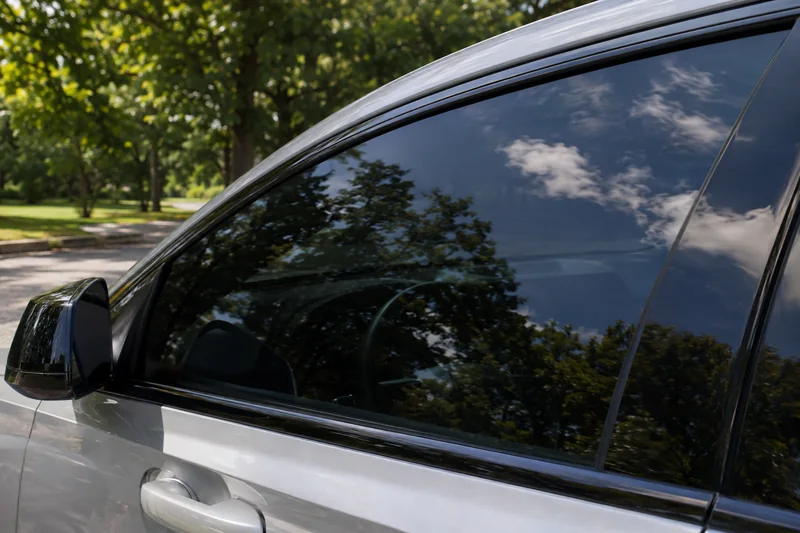
Factory tint is applied by the vehicle manufacturer during the assembly line process. This typically involves a single layer of dyed film integrated directly into the glass. This method often results in a less intense tint, usually a lighter shade, and offers limited customization. In contrast, aftermarket tint is applied by specialized installers post-manufacturing. A wider array of film types, including dyed, metallic, and ceramic films, are available, providing numerous color and performance options. This allows for greater customization in terms of tint darkness (VLT), heat rejection, and UV protection.
Performance and Durability
While factory tint provides basic UV protection, aftermarket films generally offer superior performance. High-quality aftermarket films can significantly reduce heat and glare, leading to increased driver and passenger comfort, especially in warmer climates. They also often offer more robust protection against UV rays, protecting the vehicle’s interior from fading. Furthermore, the durability of aftermarket tint can vary depending on the film’s quality and the installer’s expertise. Reputable installers typically offer warranties to ensure the tint’s longevity and quality.
Cost and Warranty
Factory-applied tint is usually included in the vehicle’s price or can be added as an optional factory package. Although it is less expensive upfront, its limited customization and performance capabilities may outweigh cost savings. Aftermarket tint, though initially more costly, offers superior customization and performance in the long run. It also frequently comes with its own warranty, guaranteeing its quality and protection against defects. Therefore, the overall cost-effectiveness depends heavily on one’s priorities and the long-term benefits desired.
Conclusion
Ultimately, the choice between factory and aftermarket tint depends on individual preferences and needs. Factory tint offers a basic level of protection and is often integrated seamlessly into the overall vehicle design. However, aftermarket tint provides a wider array of options for customization, better performance, and potentially longer-lasting protection. Careful consideration of these factors will guide you to the optimal solution for your vehicle and driving needs.
More from the blog
See them all- Does tint go on the inside or outside of car windows?Window Tint Placement Applying window tint to your vehicle can significantly improve comfort and aesthetics, but a crucial question arises: should the tint be applied to the inside or outside of the car windows? Understanding this seemingly simple choice is key to achieving optimal results and longevity. Inside Application Is Preferred The overwhelming consensus among…Read more
- Color vs. Neutral Window Tints: How to Choose the Best Look for Your SpaceColor vs Neutral Window Tints Choosing the right window tint for your space can significantly impact its aesthetic appeal and functionality. The decision often boils down to a fundamental choice: vibrant color tints or the subtle elegance of neutral shades. Both offer unique advantages, and the best option heavily depends on your personal style and…Read more
- Why Union’s High-Performance Films Pay for Themselves Faster Than You ThinkWhy Unions High-Performance Films Pay for Themselves Faster Than You Think Investing in high-performance window films from a reputable union installer might seem like a significant upfront cost. However, the long-term benefits and rapid return on investment often surprise building owners and managers. These films offer a multifaceted approach to cost savings, quickly offsetting the…Read more